
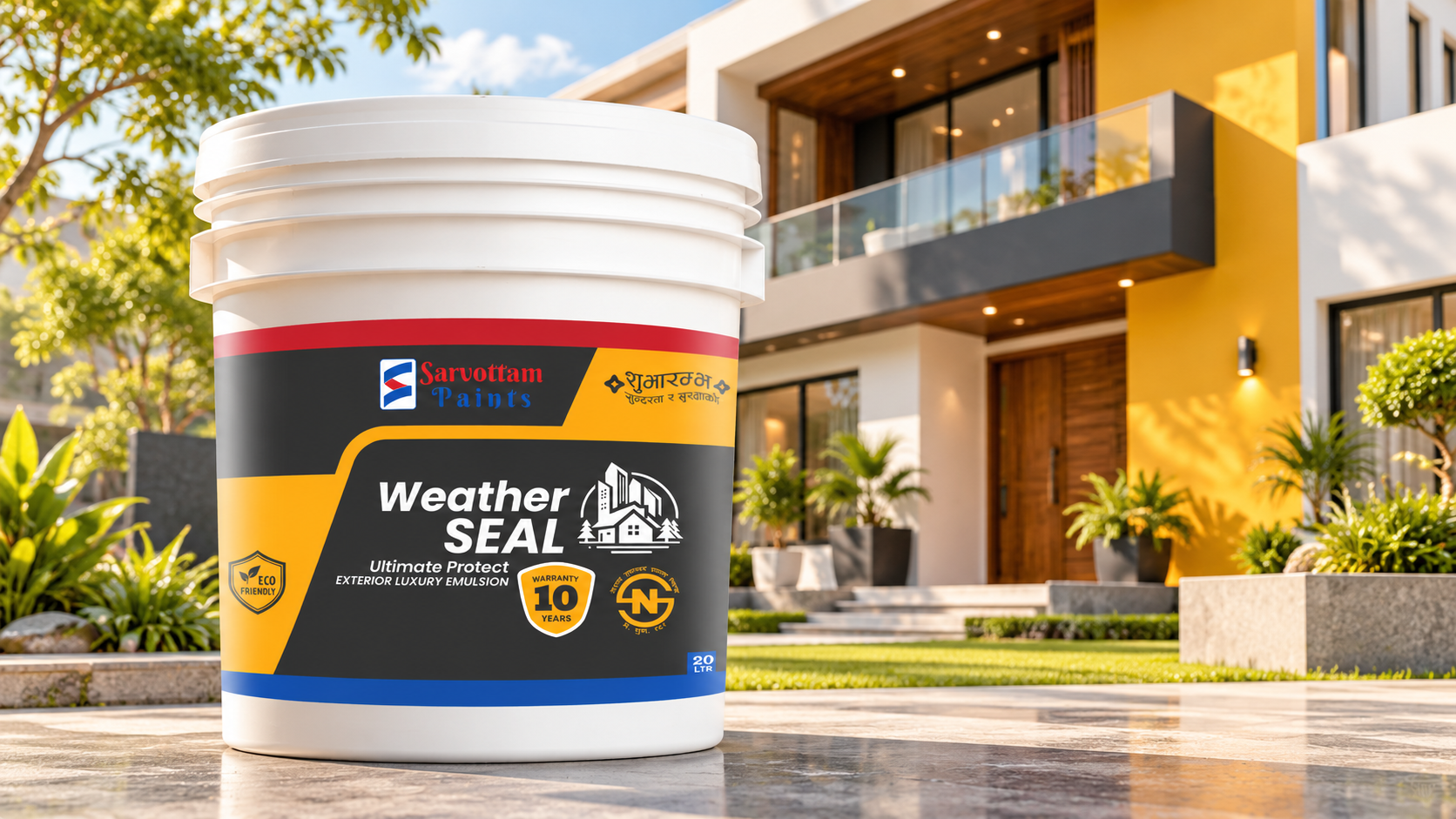
Choosing the right wall color can completely change the way your home looks and feels. A fresh coat of paint does more than cover a wall. It can make a small room feel spacious, bring warmth to a living area, or create a calm and relaxing bedroom.
With hundreds of beautiful shades available today, however, finding the perfect color can sometimes feel confusing. Here are a few simple things to consider before painting your home.
1. Think About the Mood of the Room
Start by deciding how you want the room to feel.
Soft blues, greens and neutral shades can create a peaceful and relaxing atmosphere, making them excellent choices for bedrooms and quiet spaces.
Warm shades such as beige, cream, peach and earthy tones can make living rooms feel comfortable and welcoming.
For spaces where you want more energy and personality, consider stronger colors or a carefully selected accent wall.
2. Consider Natural Light
The same paint color can look completely different depending on the amount of light in a room.
Rooms with plenty of natural sunlight can usually handle deeper and richer shades. In darker rooms, lighter colors can help reflect available light and make the space appear brighter and more open.
Before painting the entire room, test your chosen color on a small section of the wall and observe it during the morning, afternoon and evening.
3. Match the Color With Your Interior
Your wall color should work together with the other elements of your room.
Consider your furniture, curtains, flooring, doors and decorative items before making the final decision. You don't necessarily need everything to be the same color. Instead, choose shades that complement one another and create a balanced overall appearance.
4. Don't Be Afraid of an Accent Wall
If you love a bold color but don't want to use it throughout the room, an accent wall can be a great solution.
A deeper or contrasting shade behind a television unit, sofa, bed or feature area can immediately create a focal point without overwhelming the entire space.
5. Choose the Right Paint, Not Just the Right Color
Color is important, but paint quality matters just as much.
Interior walls may require paint that is washable and easy to maintain, particularly in homes with children. Exterior walls need stronger protection against sunlight, rain, moisture and changing weather conditions.
Choosing the appropriate paint for each surface can help your walls maintain their appearance for longer.
6. Test Before You Decide
Never rely entirely on a printed color card or digital screen.
Lighting, surrounding colors and the wall surface itself can affect how a shade appears. Testing a small sample directly on the wall is one of the easiest ways to avoid choosing a color you may regret later.
Give Your Walls a Fresh New Look
The perfect wall color is not simply the most popular shade. It is the color that works beautifully with your space, lighting, interior and personal style.
Whether you're refreshing a single room or giving your entire home a new look, thoughtful color selection combined with quality paint can make a remarkable difference.
Your walls are more than surfaces. Give them a color that makes your space feel truly yours.